
Psychological Safety Examples: Real Stories from Schools, Manufacturing, and Frontlines
Most "psychological safety examples" you find online feel like they were written for a textbook. They tell you to "embrace failure" or "be vulnerable," but they rarely show you what that looks like when deadlines are looming, budgets are tight, or lives are on the line.
At Lead By Impact, we’ve found that psychological safety looks different in every industry, but the "Silence Tax"—the cost of ideas left unsaid—is universal.
Here are three real-world examples of how organizations moved from silence to high-performance using the Collaborative Safety Cycle through our Psychological Safety Workshop.
1. The Education Sector: Overcoming the Fear of "Looking Dumb"
The Challenge: A school principal wanted to drive innovation, but the teachers were resistant to sharing their challenges and best practices. Despite having a "polite" culture, there was a hidden wall between classrooms.
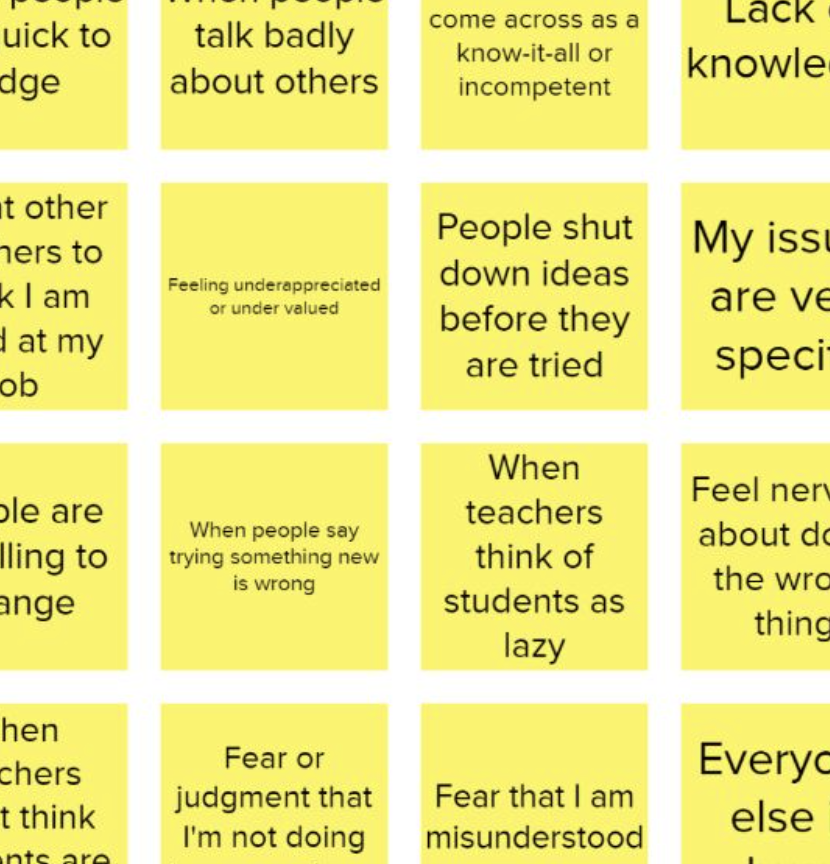
The Discovery: We facilitated an Art Walk to surface what was preventing collaboration. The results were eye-opening: the number one concern was the fear of "looking dumb" in front of their peers. They realized that they didn’t know each other very well and felt hesitant to share with one another.
The Psychological Safety Pivot: The team implemented two specific solutions:
Connection Before Content: They scheduled dedicated time just to get to know each other as humans, not just as educators.
The Anonymous Brainstorm: They moved to a system where teachers wrote challenges on sticky notes anonymously. The team then voted on which challenges to solve and came up with solutions together.
The Result: By separating the person from the problem, teachers could discuss a "struggling student" or a "failed lesson" without it being a reflection of their professional worth.
2. Manufacturing: Shifting from "Directing" to "Supporting"
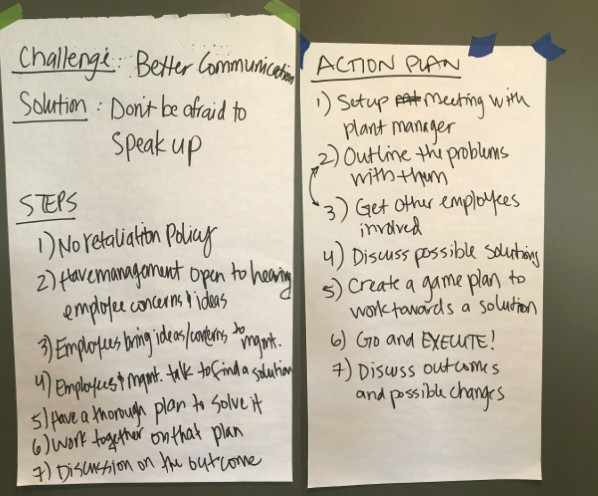
The Challenge: A manufacturing company wanted more safety and efficiency ideas from their frontline managers. However, the managers remained silent during meetings.
The Discovery: Through our process, we found that managers didn’t feel their ideas were being heard, and there was no simple way to share them.
The Psychological Safety Pivot: They shifted the entire power dynamic:
Cross-Site Workshops: Managers from different sites met to discuss peer-to-peer challenges without their direct supervisors leading the room.
Leader as Support: The executive team committed to a "supportive" stance. Instead of leading the meeting, they told the managers: "Tell us which solutions you want to work on, and our job is to give you the resources and remove barriers to make them happen."
The Result: Managers took ownership of safety protocols because they were no longer worried about negative repercussions, they were leading the change to create a safer environment.
3. Emergency Services: The "What the Heck?" Permission Slip
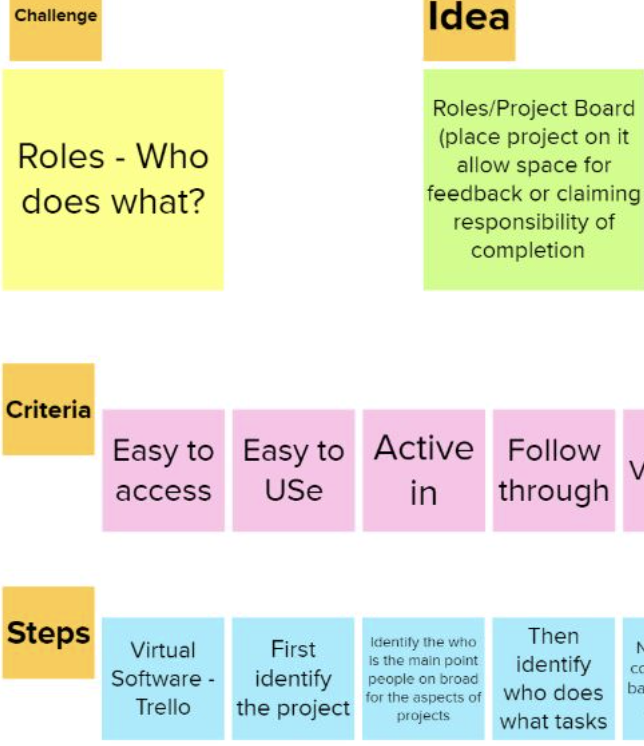
The Challenge: An ambulance company was struggling with high-stakes miscommunication. In their fast-paced environment, things were being missed, but team members didn’t feel comfortable stopping others to ask for clarity.
The Discovery: The team identified that they were simply too busy to "process" information, and they feared that asking a question would slow the team down or look incompetent.
The Psychological Safety Pivot: They focused on safety through clarity with two practical tools:
The Project Board: A simple, visual board where everyone could see at a glance what was being worked on and what help was needed.
Playful Interruption: They gave everyone explicit permission to stop a teammate mid-sentence and say: "Wait, what in the heck are you talking about?"
The Result: By using a lighthearted, playful phrase, they lowered the social cost of asking for clarity. It turned a "moment of confusion" into a "moment of collaboration" without anyone feeling attacked.
What These Examples Teach Us
Whether you are in a classroom, a factory, or an ambulance, these examples highlight three universal truths about psychological safety:
Anonymity Lowers the Barrier: Using sticky notes and voting (The Art Walk) allows the best ideas to rise to the top, regardless of hierarchy.
Clarity Reduces Anxiety: When people know the process for disagreeing or asking for help, they stop wasting cognitive energy on self-protection.
Leaders Must "Step Back" to "Step Up": Safety is created when leaders stop providing the answers and start providing the platform.
Move Beyond Theory in Your Organization to Create Psychological Safety
Reading these examples is the first step. Implementing them is where the impact happens. Most organizations find that the existing hierarchy makes it difficult to start these conversations internally.
Our Psychological Safety Workshop is designed to provide neutral ground and frameworks (like the Collaborative Safety Cycle™) to turn these examples into your daily reality.
Ready to stop paying the "Silence Tax" and build a culture of high-performance and high-candor.